


We all know that the modern technological world is filled with beautifully designed, high-tech products featuring advanced features. However, behind the consumer’s back is another often overlooked component—the wiring harness—that enables the product’s functionality.
While you may think of wiring harnesses as essential components, they play a vital role in the function of today’s electrical systems. Wiring harnesses are necessary in various applications, from organizing and protecting wires to transmitting power and data safely and efficiently. In this post, we’ll look in-depth at wiring harnesses, how they’re made, why they’re essential to your product, and how technological advances will change them.
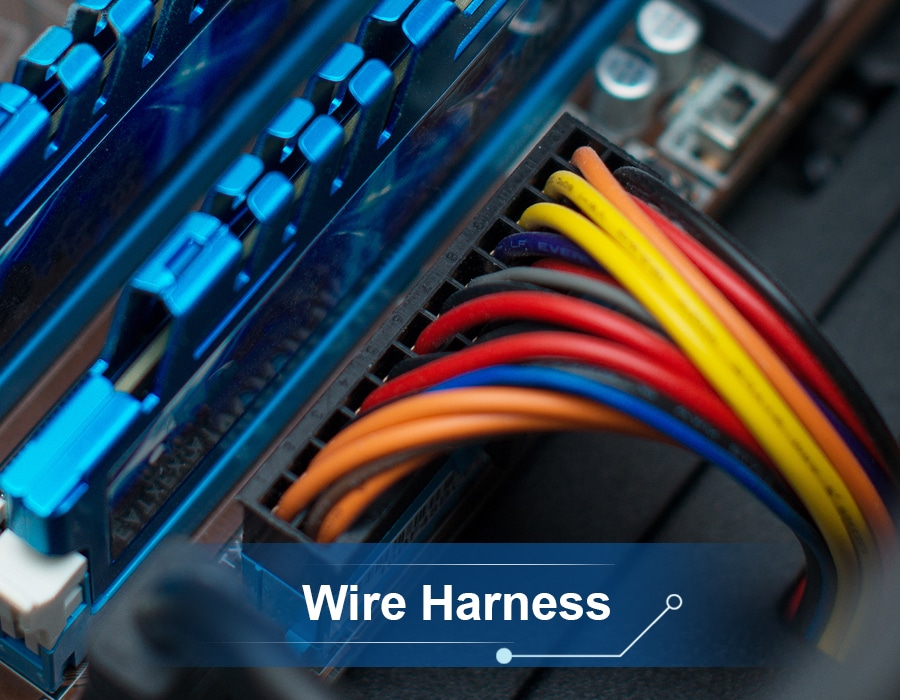
Overview of Wiring Harness Applications
A Wire Harness (cable harness or wiring assembly) is a bundle of wires, cables, and connectors assembled as a single unit. If you own any device or system, this unit will help electrical signals and power travel more smoothly.
The primary purpose of a wire harness is to keep multiple wires neat and orderly while protecting them from environmental hazards such as moisture, chemicals, or abrasion. It also helps deliver power or data between components while reducing the risk of shorts, reducing clutter, and enhancing the safety and reliability of electrical systems.
How Are Wire Harnesses Manufactured?
Making wire harnesses is a precise process that involves breaking the work into many small steps. The following is an overview of the wire harness manufacturing process.
- Design and Pre-Production
Engineers begin manufacturing wire harnesses to meet the specific requirements of a device or system. This involves developing wiring schematics, selecting materials, and providing detailed project instructions. The design phase also includes designing the manufacturing process and prototyping the harness during mold-making. - Harness Assembly
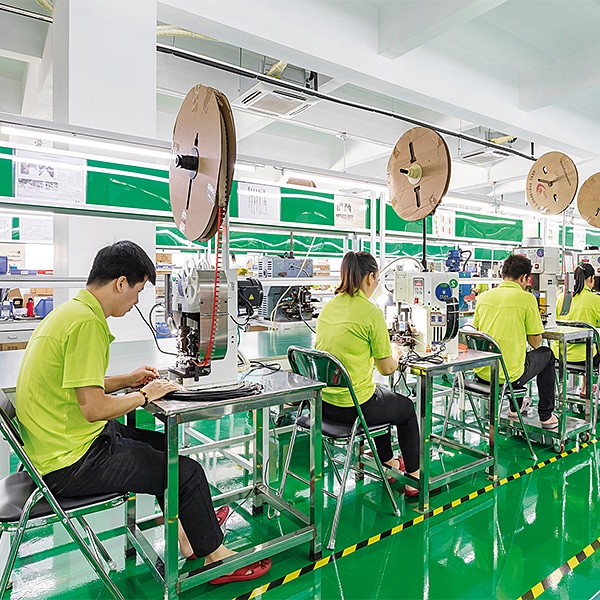
Once the design is confirmed, the manufacturing process begins. Wires are cut to the appropriate length, and connectors and terminals are installed. These wires are secured and protected by cable ties or braided sleeves. - Testing
After production, wire harnesses undergo a rigorous testing program to meet safety, performance, and industry standards. This is followed by electrical testing (to check continuity and insulation), appropriate mechanical testing for flexibility and tensile strength, and environmental testing (to ensure that the new harnesses can be switched from hot to cold environments, as new harnesses are required to work in temperature differences, humidity, and environmental conditions). - Quality Control
The harness manufacturer thoroughly inspects the product during assembly to ensure high quality. This ensures that any product can leave the factory only if it meets specifications and global quality standards. State-of-the-art automatic inspection systems can detect defects or deviations.
Common Types of Wire Harnesses
Wiring harnesses are manufactured to meet the application and specification requirements of different industries. Here are some of the most common wiring harnesses:
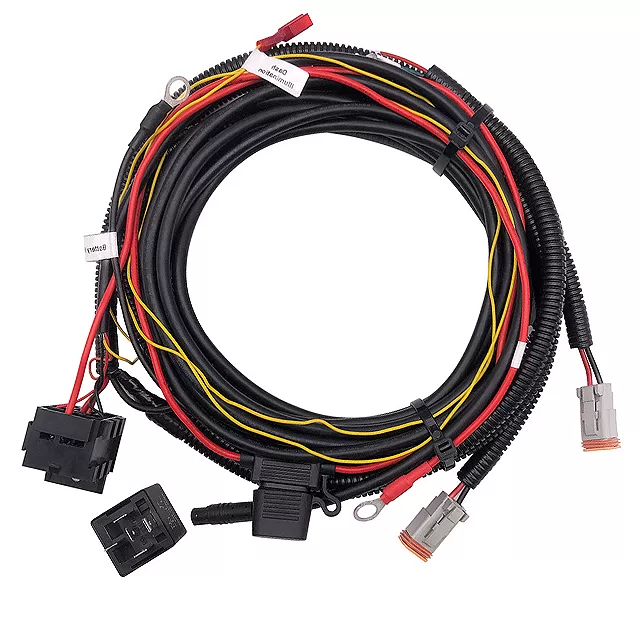
- Automotive Wire Harnesses: These harnesses connect all of the electrical devices in a vehicle to the engine, dashboard electronics (thermostats, fans, etc.), lighting, etc.) They must be durable and withstand extreme temperatures, vibrations, and toxic chemicals.
- Motorcycle Wire Harnesses: These harnesses route electrical power to the motorcycle’s electrical components, ensuring safe operation and control of the engine, lighting, instrumentation, and other systems.
- Medical Device Wire Harnesses: These harnesses are used for life-support equipment, including patient monitors, defibrillators, and surgical instruments. Since they are critical to health, they must be closely monitored and managed.
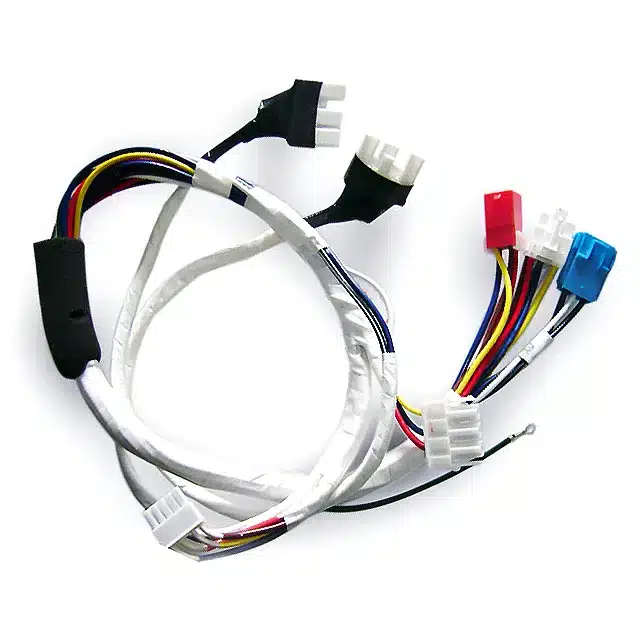
- Appliance Wire Harnesses: These harnesses are used for household appliances such as refrigerators, washing machines, and microwave ovens, and are designed to meet the complex power requirements of these devices, ensuring safe, optimal operation. The application areas of these devices (high-frequency cycling) require electrical harnesses with high mechanical robustness and the capacity to withstand applied electrical loads for extended periods.
- Robot Wire Harnesses: These wiring assemblies enable the robot to operate independently. They are designed to deliver the robust motion and use cases that robotic systems often require, while withstanding electrical failures in dynamic, harsh environments.
- Industrial Wire Harnesses: Used to manufacture and automate machinery and equipment. These harnesses are ruggedized and factory-tested to operate flawlessly in demanding applications.




What Are the Benefits of Using a Wire Harness?
Wire harnesses offer numerous benefits, both in production and for long-term use.
- Organization: Consolidating multiple cables into a single conduit provides a concealed cable distribution, reducing clutter and facilitating installation and future maintenance.
- Protection: Harnesses protect individual wires from friction, temperature extremes (solder bridges), moisture, and chemicals, thus preventing electrical failures or short circuits.
- Efficiency: Prefabricated wire harnesses are easy to install, reducing labor costs and shortening assembly times. Increases overall productivity.
- Safety: The standardization and orderly arrangement of wire harnesses improve safety by preventing overheating, short circuits, and electrical failures. They are necessary to ensure proper use of electrical systems and to provide adequate protection in critical industries, such as healthcare and aerospace.
- Space-saving: Wire harnesses combine multiple cables into a compact package, occupying minimal space in cluttered equipment, precisely what modern, minimalist systems require.
Regulations and Standards for Wire Harnesses
Wiring harnesses must comply with industry guidelines to ensure the highest levels of safety, reliability, and longevity. Different standards apply to other applications:
- Automotive: Wiring harnesses must comply with ISO/TS 16949 quality standards, UL safety standards, and SAE J-1128 material specifications.
- Aerospace Harnesses: Comply with AS9100 (Aerospace Quality Management) standards and military specifications such as MIL-STD-454.
- Medical Devices: Medical device harnesses must comply with IEC 60601 (safety) and ISO 13485 (medical device quality management) standards.
- Consumer Electronics: RoHS (Restriction of Hazardous Substances) regulations and CE marking ensure that harnesses are free of hazardous substances and comply with European safety and environmental regulations.
Do manufacturers need proper wiring harness services, regardless of quality?
Ensuring the quality and reliability of wiring harnesses requires high-quality materials and proper manufacturing and testing procedures. You know how manufacturers guarantee their products meet your expectations:
- Material Selection: Copper is widely used as an electrical conductor due to its high electrical conductivity. Insulation can be made of PVC, PTFE, or silicone, which are durable at high temperatures.
- Testing: Harnesses are tested to verify their compliance with electrical, mechanical, and environmental performance standards. These tests include durability, insulation resistance, tensile strength, flexibility, chemical resistance, and temperature resistance.
- Quality Control: All wire harnesses undergo rigorous quality control throughout the manufacturing process to ensure each harness meets or exceeds the required specifications.
- Advanced Manufacturing Technologies: From automation and robotics to 3D printing, various technologies are used in manufacturing to improve the precision, yield, and quality of harnesses.
How Are Advancements in Technology Influencing Wire Harness Design?
Technological advances are reshaping the logic of wiring harnesses as we know them. These are as follows:
- Miniaturization: Electronic devices are becoming smaller, and their wiring harnesses are shrinking, increasing flexibility without compromising performance. Miniature Wire Harnesses for Small Portable Devices …… New advanced materials and design methods are enabling this mid-sized market.
- Bright Wire Harnesses: The Internet of Things enhances wire harnesses by integrating sensors and communication technologies directly into the wires. This enables real-time monitoring and prediction of the conditions of complex systems, thereby improving long-term efficiency.
- Automation: Robotics and automated wire harness manufacturing technologies can produce high-quality products faster, more efficiently, and with greater accuracy, while reducing labor costs.
- Sustainability: By incorporating eco-friendly materials into wiring harness designs, we can meet the growing demand for sustainability from consumers and regulatory bodies alike.
Conclusion
Wiring harnesses are the backbone of almost all modern electrical systems, ranging from electric vehicles to medical devices and consumer electronics. They are essential in the layout, shielding, and efficient power distribution of data systems.
With over 29 years of OEM and ODM experience, Romtronic is recognized as a trusted specialist in wiring harnesses. We develop high-performance custom wiring harness assemblies for a wide range of applications. Quality, innovation, and customer satisfaction are the lifeblood of our work, which is why we develop custom harnesses for a range of applications, including automotive, aerospace, medical, and more.
When you need a customized wire harness that meets the highest standards, Romtronic is the right choice! Our team of experts provides reliable solutions to power your projects. Please use the contact form below to reach us.
Get a custom quote
FAQs
A: No. A wire harness is primarily used for internal routing and organization, whereas a cable assembly is typically fully jacketed for external or harsh-environment use.
A: Choose a custom wire harness when your application requires specific connectors, exact lengths, limited space, or compliance with US or EU industry standards.
A: Common standards include IPC/WHMA-A-620, UL (US market), and CE / RoHS (EU market), depending on the application and industry.
A: In normal operating conditions, a properly designed wire harness can last 10 years or more, depending on temperature, vibration, and installation quality.
A: Typically required are drawings or pinouts, connector part numbers, wire specs, quantities, and the application environment.

Apple Liu is Romtronic’s Marketing Manager, focusing on business growth across the Asian market. With a background in International English and eight years of sales experience in the electronic cable and harness industry, she brings both in-depth industry knowledge and a global outlook to her role.
In addition to leading market strategy, Apple Liu also oversees content development and editorial work—crafting clear, engaging messaging that reflects Romtronic’s values and technical strengths. She is passionate about digital engineering and is committed to strengthening Romtronic’s brand presence and innovation in a competitive global landscape.

