


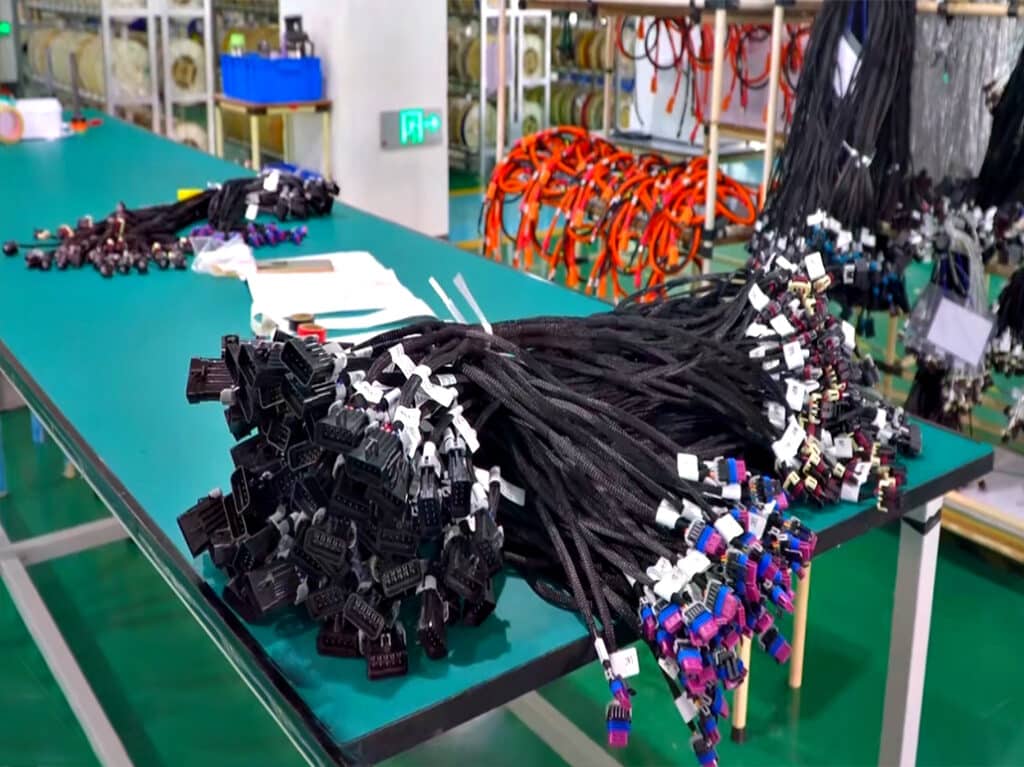
In recent years, the automotive industry has undergone significant transformations, evolving from purely mechanical vehicles to sophisticated assemblies of electronic systems. Central to this evolution is the automotive wiring harness, often called the vehicle’s “nervous system.” This intricate network of wires and connectors ensures seamless communication between various electronic components, enabling modern functionalities and safety features.
Why Are Wiring Harnesses Crucial for the Automotive Industry?
Modern vehicles feature many electronic systems, including advanced driver-assistance systems (ADAS), infotainment systems, and safety features. The wiring harness is the backbone, facilitating efficient power distribution and data transmission across these systems. Without a reliable wiring harness, the integration and functionality of these electronic components would be compromised.
Types of Wiring Harnesses
- Aluminum Wiring Harness:

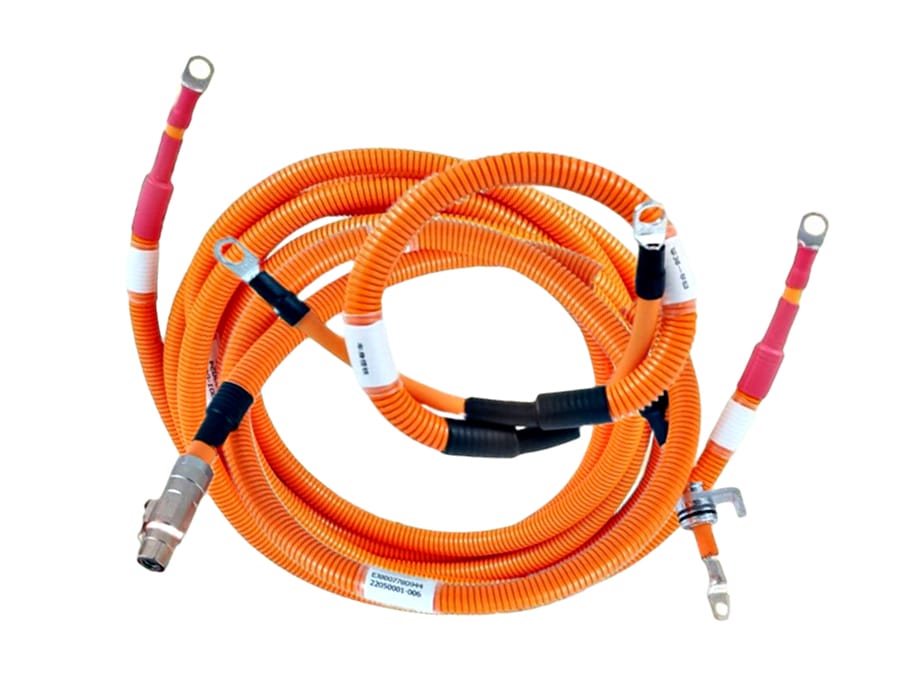
Aluminum Wiring Harness
The advanced technology of the aluminum wiring harness is its use of a high-strength, thin-wire aluminum alloy engine harness. Though it boasts world-leading strength, aluminum harnesses help lower costs by reducing weight when traditional copper wiring would be similar in weight but lacks the robust, flexible properties that an intricate assembly system requires. - Optical Wiring Harness:
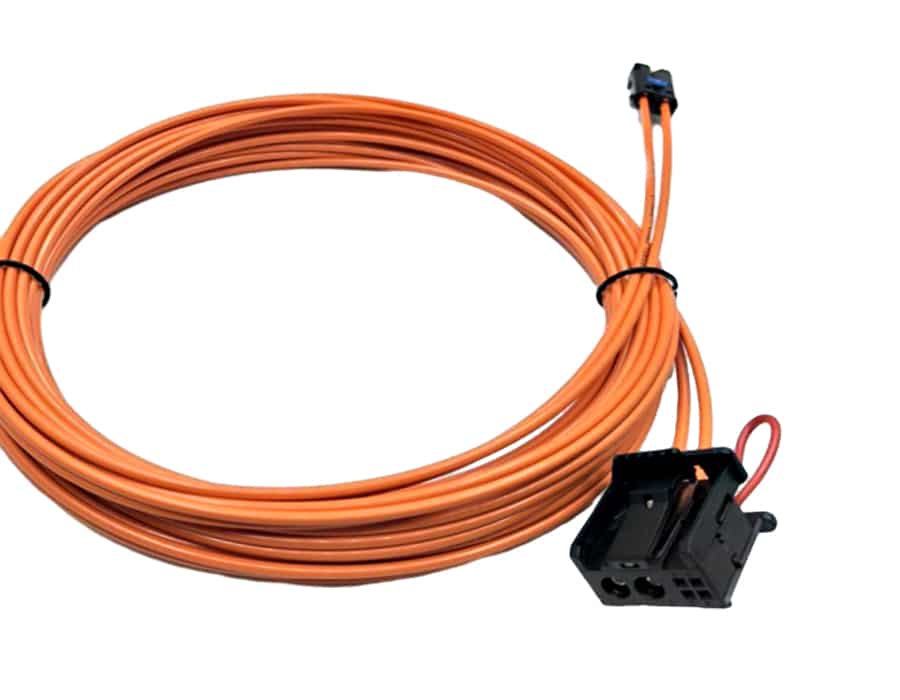
Optical Wiring Harness
These optical wiring harnesses also bring a novel technology that can send high-speed data at the speed of light. They keep a watchful eye on the vehicle’s environment, free of electromagnetic interference and without overloading sensors with excessive data. - Sliding Door Wiring Harness:
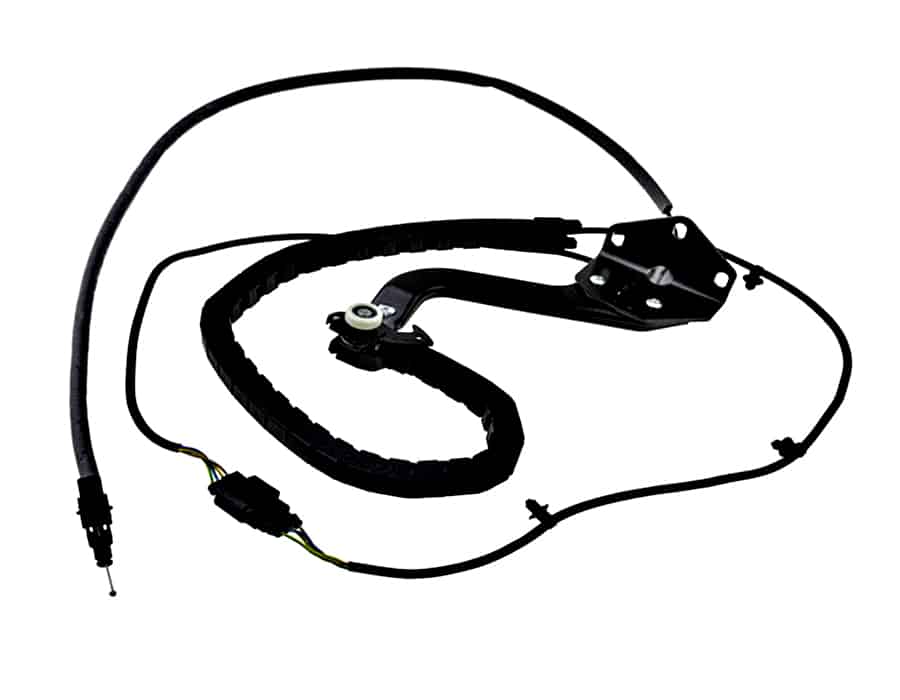
Sliding Door Wiring Harness
The sliding door wiring harness provides power and signals to the electrical components in vehicle slide doors, enabling automatic operation (so I can close). The design of such a harness must account for door motion paths and tight spaces while maintaining sturdiness and strength. - Antenna Wiring Harness:
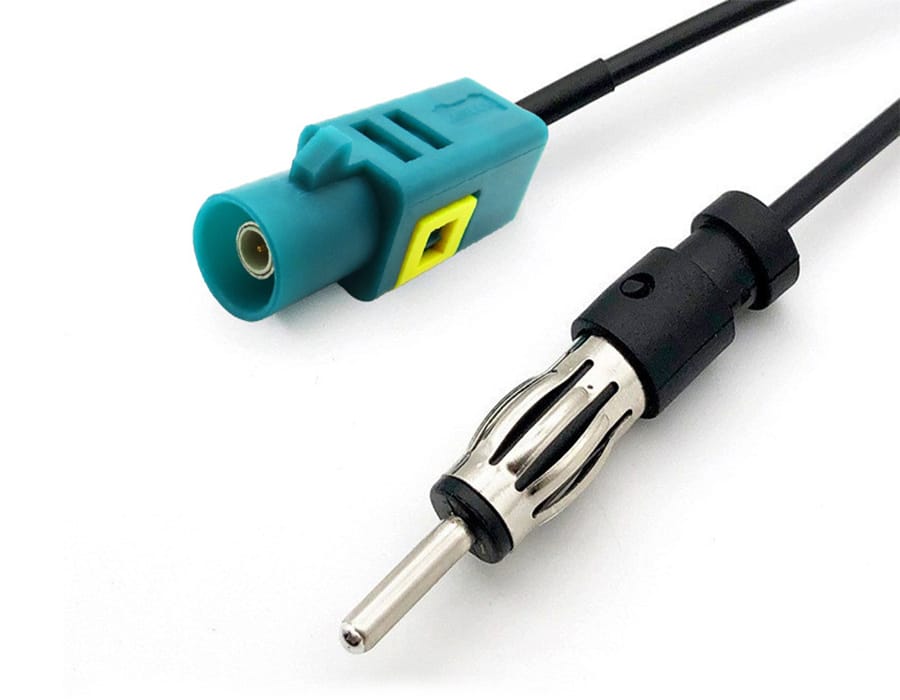
Antenna Wiring Harness
Antenna Wiring Harnesses make possible the connection between antennas and receivers for radio, television, phone, and GPS signals. These harnesses are designed to maintain signal integrity and proper functionality of the vehicle’s communication systems.
Manufacturing Automotive Wiring Harnesses
The production of automotive wiring harnesses involves several critical steps to ensure quality and reliability:
- Design and Engineering: Utilizing Electronic Design Automation (EDA) tools, manufacturers design harnesses that meet specific vehicle requirements, optimizing for space constraints and electrical performance.
- Material Selection: Choosing appropriate materials, such as high-strength aluminum or optical fibers, based on the desired performance characteristics and application requirements.
- Assembly: Precision assembly processes, including wire cutting, stripping, and termination, create harnesses that meet stringent automotive standards.
Challenges in Wiring Harness Manufacturing
Manufacturing automotive wiring harnesses presents several challenges:
- Complexity Management: As vehicles become more technologically advanced, wiring harnesses become more complex, requiring meticulous design and integration.
- Space Optimization: Designing compact and efficient harnesses that fit within the limited spaces of modern vehicles requires innovative engineering solutions.
- Durability Assurance: Harnesses must withstand various environmental conditions, including temperature fluctuations, vibrations, and chemical exposure, ensuring long-term reliability.
Advantages of Using EDA Tools in Harness Design
The adoption of Electronic Design Automation (EDA) tools offers several benefits in the design of automotive wiring harnesses:
- Enhanced Accuracy: EDA tools enable precise modeling and simulation, reducing the likelihood of errors during manufacturing and integration.
- Improved Efficiency: Automated design processes streamline development timelines, allowing faster adaptation to evolving automotive technologies.
- Cost Reduction: Optimized designs lead to material savings and reduced prototyping costs, contributing to overall project affordability.
Conclusion
Automotive wiring harnesses are indispensable to modern vehicles, serving as the critical link between electronic systems. Their design and manufacturing processes are complex and require careful consideration of materials, design tools, and integration challenges. As the automotive industry continues to innovate, wiring harnesses will remain central to developing safer, more efficient, and technologically advanced vehicles.
For more information on custom automotive wiring harness solutions, visit Romtronic’s Automotive Wiring Harness page.
.avif)
Sam Wu is the Marketing Manager at Romtronic, holding a degree in Mechatronics. With 12 years of experience in sales within the electronic wiring harness industry, he manages marketing efforts across Europe. An expert in cable assembly, wiring harnesses, and advanced connectivity solutions, Sam simplifies complex technologies, offering clear, actionable advice to help you confidently navigate your electrical projects.

