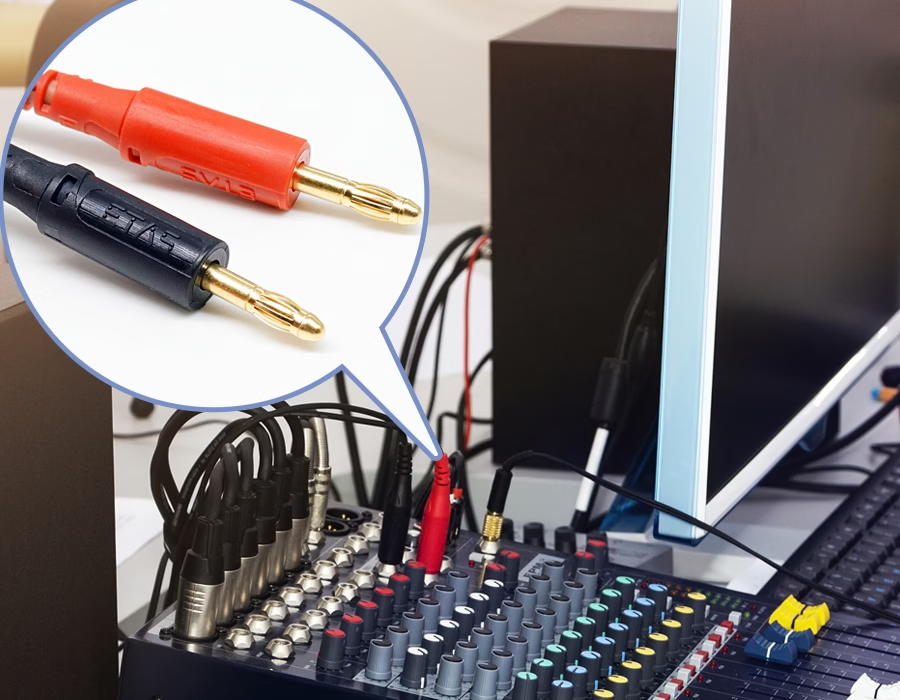
Premier Manufacturer

XLR cables remain the standard for professional audio, whether in a recording studio or on a live performance stage. The type of XLR cable selected can make a significant difference in sound quality, signal integrity, and overall personal experience. This article will address the key factors to consider when evaluating XLR cables for any professional audio system.
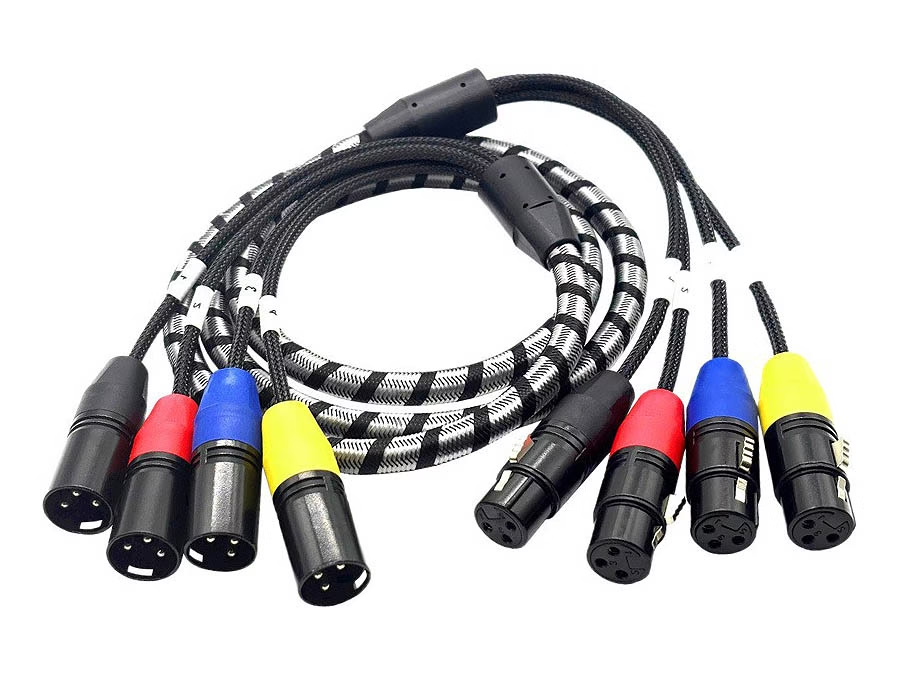
Key Factors to Consider When Choosing XLR Cables
Conductor Materials
The type of material used in an XLR cable plays a crucial role in determining the signal’s performance and longevity. Copper, oxygen-free copper (OFC), and silver conductors are standard options when choosing an XLR cable. Pure copper produces excellent conductivity at a relatively reasonable price, while silver-plated conductors can improve response at higher frequency ranges, depending on how much success you want. Choosing your XLR cables will depend on your budget and the specific application for which you need them.
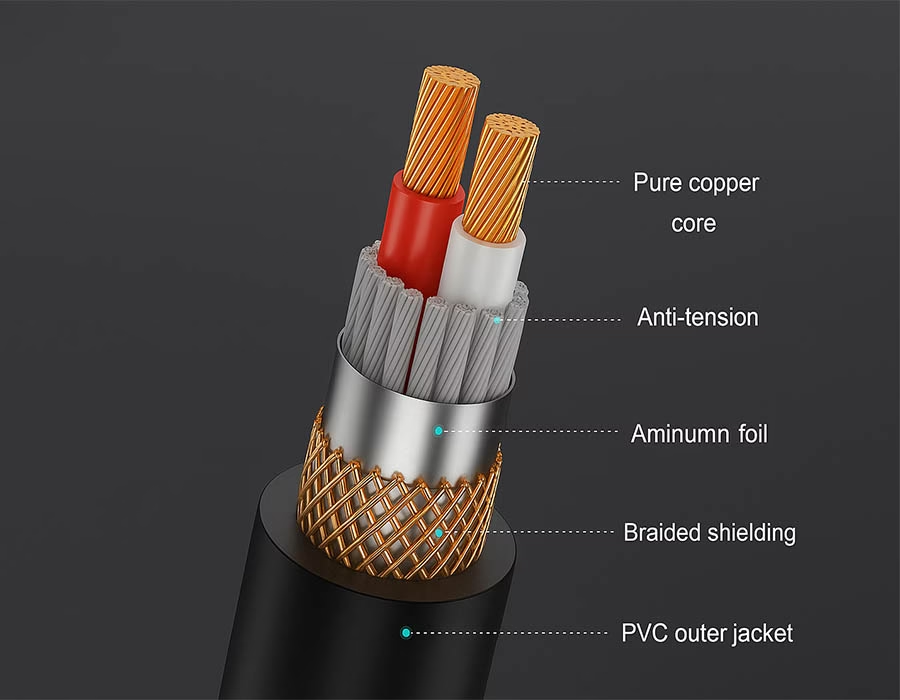
Shielding Types
Shielding serves to block interference from outside electromagnetic sources. Braided shield, foil shield, and star-quad are all options. In a studio setting or when surrounding multiple electronic devices, a high-quality shield is necessary to maintain a clean and noise-free signal.
Connectors and Plugs
Gold-plated connectors are commonly used for their resistance to corrosion and consistent signal transfer. Nickel-plated connectors can provide a cost-effective alternative. If connectors are built correctly, they are generally reliable performing devices, particularly in live sound, where cables are constantly being connected and disconnected. Further information on professional audio connectors and their applications can be found.
Cable Length and Signal Integrity
Longer cables may cause signal loss or noise. For balanced XLR cables, lengths of up to 100 feet can usually provide high-quality audio. However, it is always best to keep your cables as short as possible for your setup.
Applications of XLR Cables
- Studio Recording: High-quality cables help prevent hum, reduce interference, and preserve the original audio integrity.
- Live Performance: A cable with durable jackets and good connectors won’t let you down with the back and forth of setting up and breaking down for each gig.
- Broadcast and Industrial Use: Quality shielding and conductors ensure a signal is passed through even the most complex environments. Romtronic also manufactures specialized cables to meet any custom cable assembly need.
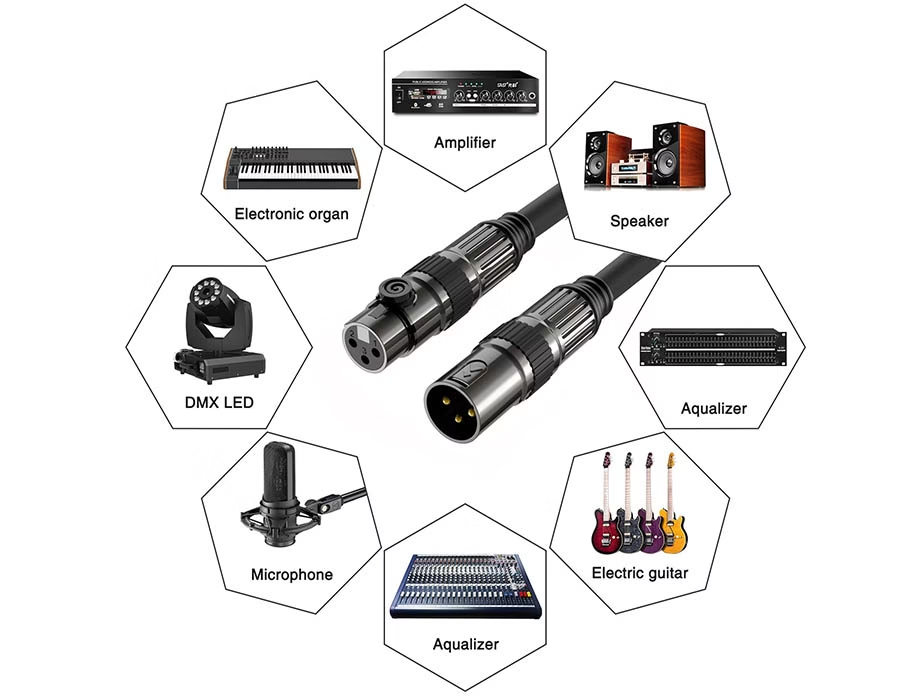
Common Questions About XLR Cables
A: A quality XLR cable consists of good material for the conductors, quality shielding, and connectors that will not fail.
A: Yes, but you will want to ensure the cable is durable and has shielding that is appropriate for the environment.
A: Balanced XLR cables can work great up to 100 feet; however, in general, you don’t want to go longer than that.
Conclusion
Selecting the right XLR cable is crucial for achieving optimal professional audio performance. The conductor’s materials, type of shielding, connectors used, and cable length, in relation to your studio, live, or broadcast requirements, are all important components to consider. When you connect your equipment with high-quality cables, you can expect reliable, noise-free audio that consistently enhances the overall quality of your equipment or recording.
.avif)
Sam Wu is the Marketing Manager at Romtronic, holding a degree in Mechatronics. With 12 years of experience in sales within the electronic wiring harness industry, he manages marketing efforts across Europe. An expert in cable assembly, wiring harnesses, and advanced connectivity solutions, Sam simplifies complex technologies, offering clear, actionable advice to help you confidently navigate your electrical projects.