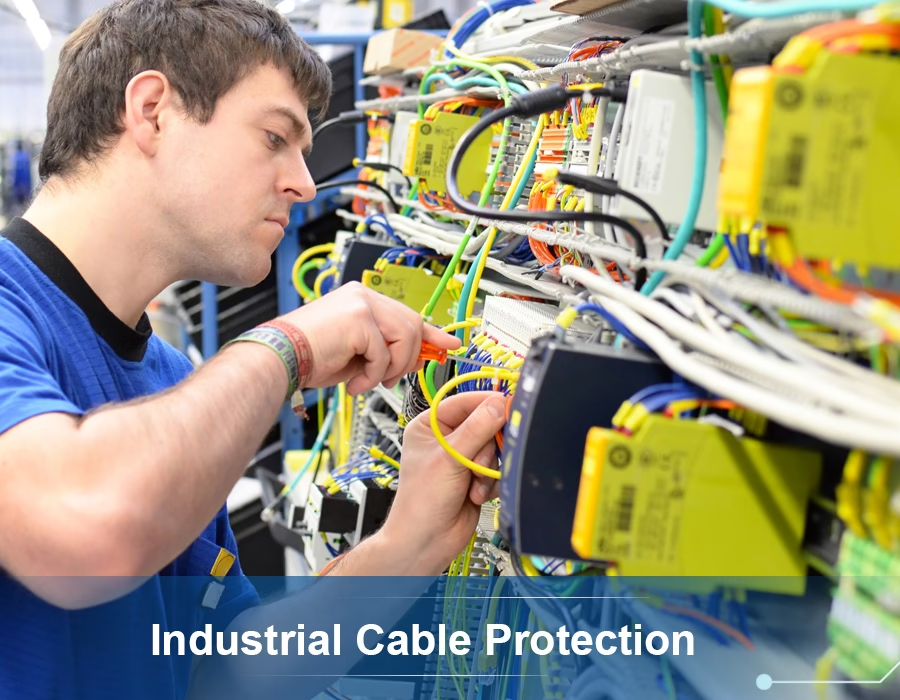
Selecting the incorrect outer jacket for industrial cables can result in downtime, maintenance issues, and expensive replacements. The jacket does more than “look good”; it shields conductors from heat, abrasion, oil, and chemicals.
The endurance and performance of your cable can be significantly impacted by the type of jacket you choose, whether you’re creating consumer electronics, medical equipment, automobile wiring, or industrial automation systems. To determine which of the five most popular materials—PVC, TPE, PUR, LSZH, and silicone—best suits your requirements, let’s break them down.
Why the Jacket Material Matters
The jacket of a cable protects the conductors from mechanical and environmental stress. Cable longevity and safety are directly influenced by its flexibility, temperature tolerance, and resistance to oil or chemicals.
Below is a side-by-side comparison of five common materials used in industrial and electronic cable manufacturing.
Material Comparison Table
| Material | Flexibility | Cost | Temperature Range | Chemical Resistance |
|---|---|---|---|---|
| PVC | Moderate | Low | -15°C to 70°C | Resists oils and acids |
| TPE | Very high | Medium | -50°C to 125°C | Excellent (oils, UV, abrasion) |
| PUR | High | High | -50°C to 105°C | Excellent (abrasion, oils, ozone) |
| LSZH | Low | High | -40°C to 90°C | Halogen-free (low smoke) |
| Silicone | Very high | Highest | -60°C to 200°C | Resists acids/alkali; poor oil resistance |
PVC (Polyvinyl Chloride)
PVC is a suitable choice for fixed installations and general-purpose consumer electronics due to its affordability, flame retardancy, and moisture resistance.
However, because it contains halogens, it emits toxic smoke when burned, making it unsuitable for settings where fire safety is a top priority.
TPE (Thermoplastic Elastomer)
Even in cold temperatures, TPE maintains its pliability and remarkable suppleness. It is ideal for robotics, sensors, and dynamic machinery, as it is halogen-free and offers high levels of oil, UV, and abrasion resistance.
One of the most adaptable jacket materials for industrial automation is TPE due to its balance of hardness and flexibility.
PUR (Polyurethane)
PUR is designed to withstand rough industrial conditions, movement, and abrasion. It is non-halogenated, resistant to ozone and oil, and sufficiently flexible for use in robotic or drag-chain cables.
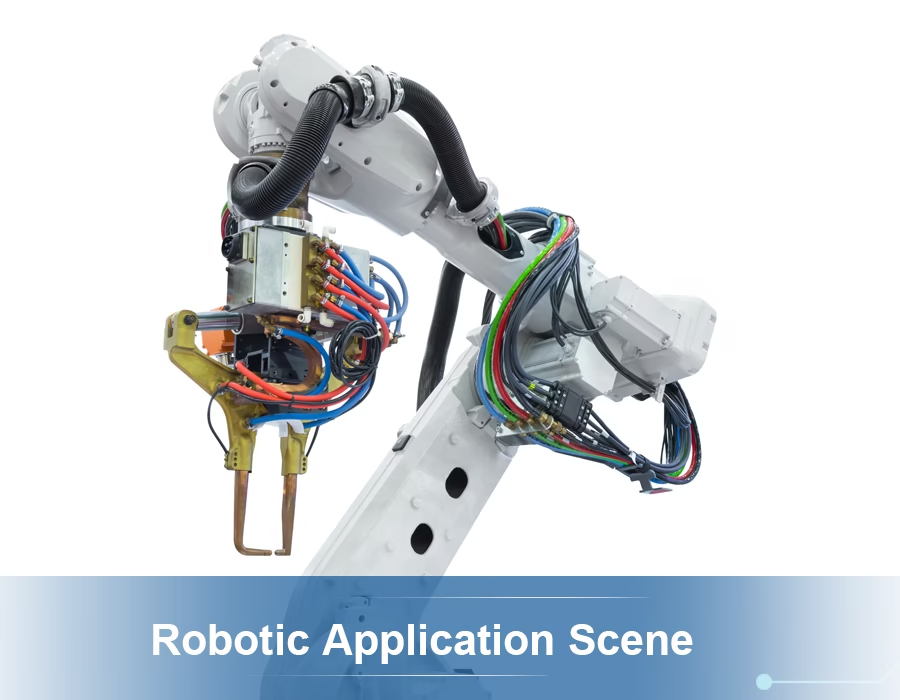
You’ll find PUR jackets in automotive sensors, industrial robots, and medical diagnostics cables, where strength and elasticity are key.
LSZH (Low-Smoke, Zero-Halogen)
LSZH jackets are designed for environments where fire safety is crucial, such as data centers, transit systems, and building automation systems.
When they burn, they release very little smoke and harmful chemicals. LSZH provides peace of mind in enclosed or public areas, but it is more expensive and less flexible than PVC or PUR.
Silicone (Silicone Rubber)
In applications such as medical devices, aircraft, and sterilizable equipment that require high temperatures and biocompatibility, silicone performs exceptionally well.
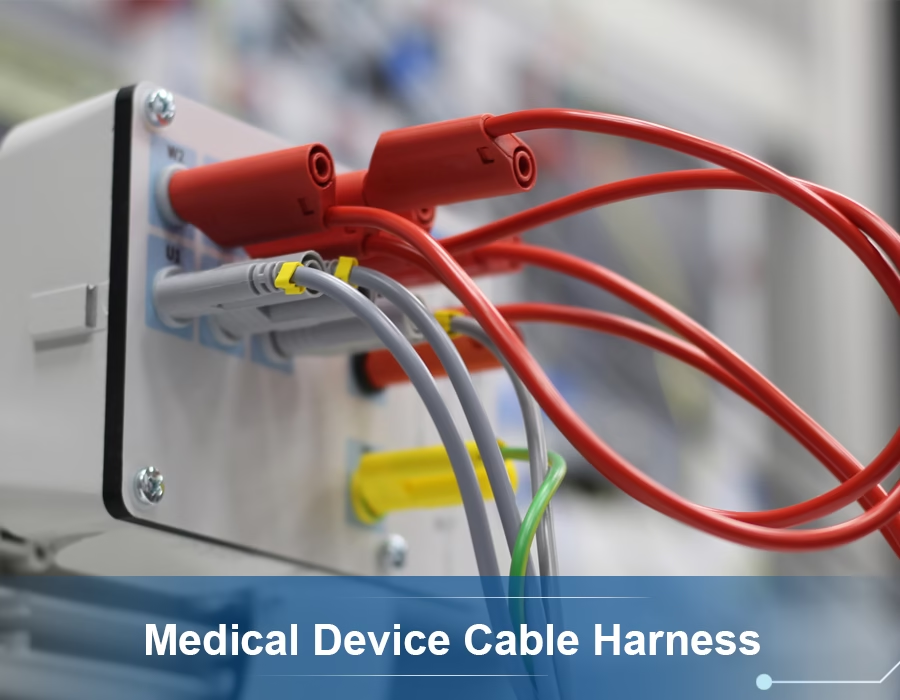
Although it resists acids and alkalis and is flexible between -60°C and 200°C, it is not the best in greasy conditions. Although it costs more, it performs better than anything else under extreme heat stress.
Quick Takeaways
- PVC: Low cost, flame-retardant, but contains halogens.
- TPE: Ultra-flexible, wide temp range, halogen-free.
- PUR: Excellent abrasion resistance, durable, oil-resistant.
- LSZH: Fire-safe, low smoke, less flexible.
- Silicone: Extreme heat resistance, soft, and medical-grade compatible.
FAQs
PVC is great for static setups; TPE is better for moving or cold environments.
Use PUR when durability and flexibility under motion are essential — ideal for industrial automation and robotics.
For fire-safe or public-area installations. It emits almost no toxic fumes during combustion.
Silicone or halogen-free PUR — both withstand sterilization and ensure patient safety.
Yes, fluoropolymers like PTFE and FEP offer even higher chemical resistance, but they’re more costly.
Conclusion
It’s not enough to choose the most rigid jacket material; you also need to balance cost, performance, and safety. PVC may be suitable for conventional electronics, but more durable jackets like PUR, TPE, or silicone are required for automation lines or medical systems.
At Romtronic, we carefully choose PVC, TPE, PUR, LSZH, and silicone jackets to meet your precise application requirements when designing and manufacturing custom cable assemblies and wire harnesses.
Are you ready to build more powerful cables that last longer? 👉 To discuss your custom cable project, contact Romtronic today.
.avif)
Sam Wu is the Marketing Manager at Romtronic, holding a degree in Mechatronics. With 12 years of experience in sales within the electronic wiring harness industry, he manages marketing efforts across Europe. An expert in cable assembly, wiring harnesses, and advanced connectivity solutions, Sam simplifies complex technologies, offering clear, actionable advice to help you confidently navigate your electrical projects.